Just how to Determine If Assisted Living Is the most effective Fit
Business Name: BeeHive Assisted Living Homes of Rio Rancho NM #1 - Dementia Care & Memory Care
Address: 204 Silent Spring Rd NE, Rio Rancho, NM 87124
Phone: (505) 221-6400
BeeHive Assisted Living Homes of Rio Rancho NM #1 - Dementia Care & Memory Care
BeeHive Assisted Living Homes of Rio Rancho NM #1 - Dementia Care & Memory Care is a premier Rio Rancho Assisted Living facilities and the perfect transition from an independent living facility or environment. Our Alzheimer care in Rio Rancho, NM is designed to be smaller to create a more intimate atmosphere and to provide a family feel while our residents experience exceptional quality care. We promote memory care assisted living with caregivers who are here to help. Memory care assisted living is one of the most specialized types of senior living facilities you'll find. Dementia care assisted living in Rio Rancho NM offers catered memory care services, attention and medication management, often in a secure dementia assisted living in Rio Rancho or nursing home setting.
204 Silent Spring Rd NE, Rio Rancho, NM 87124
Business Hours
Choosing where an older grownup ought to live is rarely a clean, noticeable decision. It normally arrives after a sluggish accumulation of little things: a missed out on dish right here, a neglected medication there, a loss that might have been even worse, a home that made use of to really feel reassuring and now seems harder to handle monthly. Households frequently invest a long period of time attempting to preserve the status, which reaction is understandable. The majority of people wish to stay home as long as feasible. The question is not whether home issues, however whether home is still the safest and most sustainable setup for daily life.
Assisted living beings in that middle room between total freedom and full time competent nursing. For many individuals, it protects self-respect, personal privacy, and regular while decreasing the concern of food preparation, house cleaning, transport, drug pointers, and seclusion. For others, it is not the right degree of assistance in all. The real challenge is finding out just how to tell the difference without waiting for a crisis to make the decision for you.
What assisted living really is, and what it is not
Assisted living is frequently explained also extensively, which results in complication. Some family members imagine a clinical environment, while others imagine a resort with assistance readily available if required. The fact is someplace between those extremes. Assisted living areas are developed for individuals that can no more manage every aspect of every day life safely on their own, however that do not require the continuous clinical guidance of a nursing home.
A common community aids with activities such as showering, dressing, grooming, meals, medication reminders, flexibility assistance, and transport to consultations or duties. The specific solutions vary commonly, which variant matters. One neighborhood might be well suited to a person who requires a hand with showering and tips to take morning medication. An additional may be much better for a person who requires frequent cueing, close supervision, or advanced personal care.
It is similarly important to understand what assisted living is not. It is not suggested to change competent nursing look after somebody with complicated wounds, unpredictable medical problems, or ongoing professional needs. It is also not an enchanting fix for dementia, family members dispute, or chronic loneliness. A great fit depends upon the person's needs, preferences, and clinical realities, out a brochure or a floor plan.
When family members search for assisted living near me or senior care near me, they are typically truly asking a deeper question, which is not simply where can my parent live, but what kind of assistance will actually make life better?
The indicators that home is beginning to work against someone
Families typically do not decide on assisted living because of one dramatic occasion. More often, the proof arrives in layers. A parent that used to cook every night now depends on treats and frozen food due to the fact that cooking feels stressful. A partner notifications drug bottles accumulating or being taken at the incorrect times. A child comes by and understands the refrigerator has plenty of expired food. A child gets a phone call after another loss, and the explanation does not fairly make sense.
There are a few patterns I see closely when assisting households assume this via. The first is a decline in individual hygiene or appearance. Individuals do not quit bathing or clothing well just because they are being stubborn. Sometimes the shower really feels dangerous. Occasionally arthritis makes buttons and zippers unpleasant. Occasionally clinical depression or cognitive decrease makes the whole routine feeling overwhelming.
The 2nd pattern is drug drift. Missing out on one tablet might not appear significant, but repeated blunders can grow out of control. I have seen households use tablet coordinators, phone alarm systems, and color-coded graphes for months before recognizing the real issue was not forgetfulness alone. It was the mix of lapse of memory, vision modifications, poor appetite, and exhaustion. Assisted living can assist with medication suggestions, but if the person can not dependably handle even with triggers, that is a meaningful signal.
The third pattern is social withdrawal. Older grownups who are silently coming to be separated often tell family they are "penalty." They may be spending entire days alone, not due to the fact that they take pleasure in solitude, yet because driving really feels difficult, stairways are tiring, and reaching out to others has actually become harder than it used to be. Assisted living can be a strong choice here due to the fact that it normally constructs in call with other individuals, dishes, activities, and staff.
The fourth pattern is home upkeep crumbling. A home that as soon as felt easy to manage can become a burden. Expenses go unsettled, trash collects, the stove is rarely used, and a once-tidy area begins feeling dangerous or chaotic. When the environment starts to create danger, the discussion changes from choice to practicality.
A practical check out the major trade-offs
Assisted living is commonly the ideal option for individuals who require assistance, however it is not instantly the best choice for everyone. The trade-offs are entitled to honest attention.
The best argument for assisted living is safety with framework. Meals are available. Help neighbors. Team can see modifications in condition earlier than relative sometimes can, specifically if the older adult lives alone. That matters more than individuals realize. A delayed shower, an avoided lunch, or a small stumble can bring about a larger decrease if no one is there to intervene.
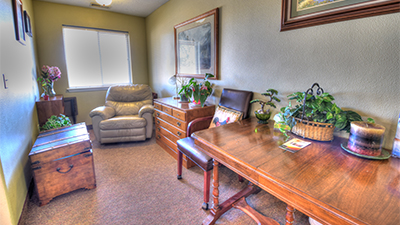
The other significant advantage is remedy for the unnoticeable labor of every day life. Numerous older adults do not just require aid with jobs. They need relief from the consistent mental load of deciding what to consume, whether to wash currently or later, whether to call the pharmacy, and exactly how to get to the medical professional. A great assisted living setting decreases that tons without removing autonomy.
The downside is that assisted living is not the same as being at home. There are schedules. There are rules. Personal privacy is different. Some residents adapt promptly, while others really feel boxed in in the beginning. That adjustment duration is genuine, and households often underestimate it. An individual who has lived alone for years might bristle at set meal times or shared areas. That does not necessarily imply the step was incorrect, but it does imply assumptions should be realistic.
Cost is an additional inescapable trade-off. Assisted living is not low-cost, and pricing frameworks can be complicated. Base rates might look workable up until care degrees, medication administration, wheelchair assistance, or memory care solutions are added. A household comparing senior living alternatives should ask not just what the monthly charge is today, however what can occur if needs increase over the next year or two.
When assisted living makes sense, and when it may not
The ideal decision usually boils down to exactly how needs and freedom converge. Assisted living tends to make good sense when an individual is still able to join every day life, but just with a fair amount of assistance. They might be cognitively undamaged or slightly absent-minded, physically unstable, or simply bewildered by the logistics of living alone. They can typically communicate choices, enjoy community, and relocate through their day with some help.
It might be the very best fit when family members caregivers are beginning to wear out. That point comes earlier than many individuals expect. Grown-up youngsters commonly try to cover whatever themselves, and for some time they can. Then the schedule obtains impossible. They are making meals, managing medications, supplying transport, dealing with washing, and dealing with emergency situations, all in addition to job and family duties. Respite care can in some cases link the void, yet if the need is ongoing, assisted living might give the steadier solution.
It might not be the most effective fit if the person requires extensive treatment, has regular behavioral obstacles that need specific guidance, or is no more secure despite having pointers and assistance. Advanced dementia, for instance, might ask for a memory care setup instead of basic assisted living. Recurring falls, oxygen reliance, complicated wound care, or rapidly changing health problems might direct toward a greater level of care.
Families usually wish the response will be obvious when it seldom is. What aids is matching the readying to the real degree of support required, not the level of assistance an individual wants they still had. Hope matters, yet so does clear-eyed judgment.
Questions that punctured rejection and guesswork
A great decision normally starts with honest questions, asked without defensiveness. These are the type of questions that aid households move from unclear worry to practical clarity.
- Can the person handle bathing, clothing, toileting, and meals securely most days?
- Are drugs being taken appropriately without constant oversight?
- Has there been a loss, near loss, or repeat emergency clinic visit in the previous six to twelve months?
- Is solitude, confusion, or seclusion entering into everyday life?
- Is the household providing care that is beginning to really feel unsustainable?
These concerns are not indicated to embarassment anybody. They are a fact check. If several of them point parallel, assisted living deserves serious factor to consider, also if no one wants the conversation.
The duty of household dynamics, and why they complicate everything
A senior care choice is never nearly the senior. It impacts spouses, grown-up kids, siblings, and often also neighbors or friends who have silently entered into the care network. That is one factor these choices are so mentally difficult. People are not only weighing health and wellness. They are evaluating guilt, commitment, cash, history, and unspoken family roles.
One child may believe relocating her mother is the loving selection. An additional brother or sister might hear the exact same concept as abandonment. An senior care older grownup may agree in concept and stand up to in method, especially if the action feels like a loss of authority. These stress are common, and they frequently increase when family members stay clear of straight conversations for as well long.
A functional strategy is to secure the discussion in visible truths rather than abstract anxieties. Instead of saying, "Mom can't live alone any longer," it is generally more effective to say, "She left the range on twice last month, missed three medicine doses we understand of, and fell getting out of the tub." Concrete examples are harder to say with and simpler to act on.
If the family is split, it can assist to involve the older adult in the conversation early and to tour areas with each other. Individuals are commonly much less resistant when they can see what assisted living actually resembles. A brilliant dining room, a tidy house, and staff that know the locals by name can alter the psychological tone of the discussion in a way that no call can.
Visiting communities with the appropriate eyes open
Many individuals start looking for assisted living near me and swiftly understand that neighborhoods can look comparable in the beginning look. The distinctions show up in the information. The quality of the food, the persistence of the staff, the cleanliness of usual locations, the method locals are spoken to, and the basic energy of the structure frequently inform you more than the marketing material does.
When touring, focus on whether homeowners seem involved or simply parked in front of a television. Notification whether personnel welcome individuals naturally or seem rushed and distant. Ask just how the area deals with changes in care needs, after-hours support, and emergency situations. If the individual considering the relocation has amnesia, ask how employee deal with redirection and safety in a calmness, considerate way.
It also assists to visit more than as soon as ideally. A lunch hour visit can feel very different from a peaceful mid-morning tour. The best areas typically reveal themselves in average minutes, not simply during scheduled presentations. You need to know exactly how they operate on a Tuesday afternoon, not just how they look when a person is trying to excite a prospective resident.
A short tour can be enough to remove a place that feels incorrect, yet an excellent choice typically requires time. Families occasionally require to sit with what they saw, contrast notes, and revisit the concern after the psychological thrill of the tour fades.
When a short-term stay can answer the larger question
Not every choice needs to be irreversible on the first day. Sometimes a short-term stay gives everyone the viewpoint they need. Respite care can be helpful when a caregiver needs a break, when a household intends to test whether the older adult adapts well to a community, or when recovery after surgical procedure or ailment has made independent living momentarily unrealistic.
Short-term keeps can reveal points that are tough to anticipate from the exterior. Some individuals kick back practically right away due to the fact that they enjoy not needing to manage meals or housekeeping. Others end up being much more anxious in the beginning, after that settle in after a week or two once the routine ends up being familiar. A trial period can aid identify temporary resistance from a true mismatch.
That stated, a short remain is not always a clean simulation of permanent life. People often behave differently when they know something is temporary. Still, respite care can be a useful bridge, particularly when family members are attempting to choose whether the framework of assisted living feels helpful or restrictive for that particular person.
Signs that the step should happen faster instead of later
There is a type of delay that originates from thoughtful preparation, and afterwards there is a delay that originates from fear wearing a thoughtful face. The second kind can be harmful. A family might maintain stating they require "another month" or "one more period," even as the dangers keep mounting.
A step ought to take place faster as opposed to later on when the person has currently had a major loss, is continuously missing out on medicines, is no more consuming regular meals, is leaving the cooktop or doors harmful, or is coming to be increasingly separated and confused. Fast weight reduction, poor hygiene, roaming, and duplicated complication about time or area are especially crucial caution signs.
It is worth keeping in mind that awaiting a significant situation can make the transition much harder. An intended move gives every person more control. The person can choose furniture, bring purposeful items, and go into the neighborhood with some self-respect undamaged. A rushed move after a hospital stay or a loss usually feels much more disorienting and traumatic.
A steadier way to think of the decision
The ideal fit is hardly ever the cheapest alternative, one of the most acquainted alternative, or the one that protects every old behavior. It is the setup where the person can continue to be risk-free, respected, and as independent as possible without extending household caretakers past reason.
For some people, assisted living is the minute life comes to be easier again. Dishes are predictable. Help is readily available. The solitude lifts. The housework stops eating the day. For others, the action feels like a loss, at the very least at first, and the family needs to relocate slowly, listen carefully, and maintain readjusting. Both experiences can be true.
What issues most is not whether assisted living seems like abandonment or success in the abstract. What matters is whether it matches the individual's real needs. If it does, the fit can be remarkably excellent. If it does not, the mismatch usually appears quickly in frustration, safety concerns, or an expanding dependancy on family that never ever truly resolves.
The appropriate concern is not whether a person is ready to "quit" the home they have actually known. The much better concern is whether their present home still provides the support, safety, and lifestyle they are entitled to. When the solution begins to turn far from yes, assisted living may be one of the most functional and humane following step.
BeeHive Assisted Living Homes of Rio Rancho NM #1 - Dementia Care & Memory Care provides assisted living care
BeeHive Assisted Living Homes of Rio Rancho NM #1 - Dementia Care & Memory Care provides memory care services
BeeHive Assisted Living Homes of Rio Rancho NM #1 - Dementia Care & Memory Care provides respite care services
BeeHive Assisted Living Homes of Rio Rancho NM #1 - Dementia Care & Memory Care supports assistance with bathing and grooming
BeeHive Assisted Living Homes of Rio Rancho NM #1 - Dementia Care & Memory Care offers private bedrooms with private bathrooms
BeeHive Assisted Living Homes of Rio Rancho NM #1 - Dementia Care & Memory Care provides medication monitoring and documentation
BeeHive Assisted Living Homes of Rio Rancho NM #1 - Dementia Care & Memory Care serves dietitian-approved meals
BeeHive Assisted Living Homes of Rio Rancho NM #1 - Dementia Care & Memory Care provides housekeeping services
BeeHive Assisted Living Homes of Rio Rancho NM #1 - Dementia Care & Memory Care provides laundry services
BeeHive Assisted Living Homes of Rio Rancho NM #1 - Dementia Care & Memory Care offers community dining and social engagement activities
BeeHive Assisted Living Homes of Rio Rancho NM #1 - Dementia Care & Memory Care features life enrichment activities
BeeHive Assisted Living Homes of Rio Rancho NM #1 - Dementia Care & Memory Care supports personal care assistance during meals and daily routines
BeeHive Assisted Living Homes of Rio Rancho NM #1 - Dementia Care & Memory Care promotes frequent physical and mental exercise opportunities
BeeHive Assisted Living Homes of Rio Rancho NM #1 - Dementia Care & Memory Care provides a home-like residential environment
BeeHive Assisted Living Homes of Rio Rancho NM #1 - Dementia Care & Memory Care creates customized care plans as residents’ needs change
BeeHive Assisted Living Homes of Rio Rancho NM #1 - Dementia Care & Memory Care assesses individual resident care needs
BeeHive Assisted Living Homes of Rio Rancho NM #1 - Dementia Care & Memory Care accepts private pay and long-term care insurance
BeeHive Assisted Living Homes of Rio Rancho NM #1 - Dementia Care & Memory Care assists qualified veterans with Aid and Attendance benefits
BeeHive Assisted Living Homes of Rio Rancho NM #1 - Dementia Care & Memory Care encourages meaningful resident-to-staff relationships
BeeHive Assisted Living Homes of Rio Rancho NM #1 - Dementia Care & Memory Care delivers compassionate, attentive senior care focused on dignity and comfort
BeeHive Assisted Living Homes of Rio Rancho NM #1 - Dementia Care & Memory Care has a phone number of (505) 221-6400
BeeHive Assisted Living Homes of Rio Rancho NM #1 - Dementia Care & Memory Care has an address of 204 Silent Spring Rd NE, Rio Rancho, NM 87124
BeeHive Assisted Living Homes of Rio Rancho NM #1 - Dementia Care & Memory Care has a website https://beehivehomes.com/locations/rio-rancho/
BeeHive Assisted Living Homes of Rio Rancho NM #1 - Dementia Care & Memory Care has Google Maps listing https://maps.app.goo.gl/FhSFajkWCGmtFcR77
BeeHive Assisted Living Homes of Rio Rancho NM #1 - Dementia Care & Memory Care has Facebook page https://www.facebook.com/BeeHiveHomesRioRancho
BeeHive Assisted Living Homes of Rio Rancho NM #1 - Dementia Care & Memory Care has a YouTube Channel at https://www.youtube.com/@WelcomeHomeBeeHiveHomes
BeeHive Assisted Living Homes of Rio Rancho NM #1 - Dementia Care & Memory Care won Top Memory Care Homes 2025
BeeHive Assisted Living Homes of Rio Rancho NM #1 - Dementia Care & Memory Care earned Best Customer Service Award 2024
BeeHive Assisted Living Homes of Rio Rancho NM #1 - Dementia Care & Memory Care placed 1st for Assisted Living Communities 2025
People Also Ask about BeeHive Assisted Living Homes of Rio Rancho NM #1 - Dementia Care & Memory Care
What is BeeHive Homes of Rio Rancho Living monthly room rate?
The rate depends on the level of care that is needed (see Pricing Guide above). We do a pre-admission evaluation for each resident to determine the level of care needed. The monthly rate is based on this evaluation. There are no hidden costs or fees
Can residents stay in BeeHive Homes of Rio Rancho until the end of their life?
Usually yes. There are exceptions, such as when there are safety issues with the resident, or they need 24 hour skilled nursing services
Does BeeHive Homes of Rio Rancho have a nurse on staff?
No, but each BeeHive Home has a consulting Nurse available 24 – 7. if nursing services are needed, a doctor can order home health to come into the home
What are BeeHive Homes of Rio Rancho visiting hours?
Visiting hours are adjusted to accommodate the families and the resident’s needs… just not too early or too late
Do we have couple’s rooms available?
Yes, each home has rooms designed to accommodate couples. Please ask about the availability of these rooms
Where is BeeHive Homes of Rio Rancho located?
BeeHive Homes of Rio Rancho is conveniently located at 204 Silent Spring Rd NE, Rio Rancho, NM 87124. You can easily find directions on Google Maps or call at (505) 221-6400 Monday through Friday 9:00am to 5:00pm
How can I contact BeeHive Homes of Rio Rancho?
You can contact BeeHive Assisted Living Homes of Rio Rancho NM #1 - Dementia Care & Memory Care by phone at: (505) 221-6400, visit their website at https://beehivehomes.com/locations/rio-rancho, or connect on social media via Facebook or YouTube
Take a short drive to Joe's Pasta House - Rio Rancho . Joe’s Pasta House offers comfort food in a welcoming setting that supports assisted living, memory care, senior care, elderly care, and respite care dining visits.